
Langkawi is not a backdrop. It is part of the story.
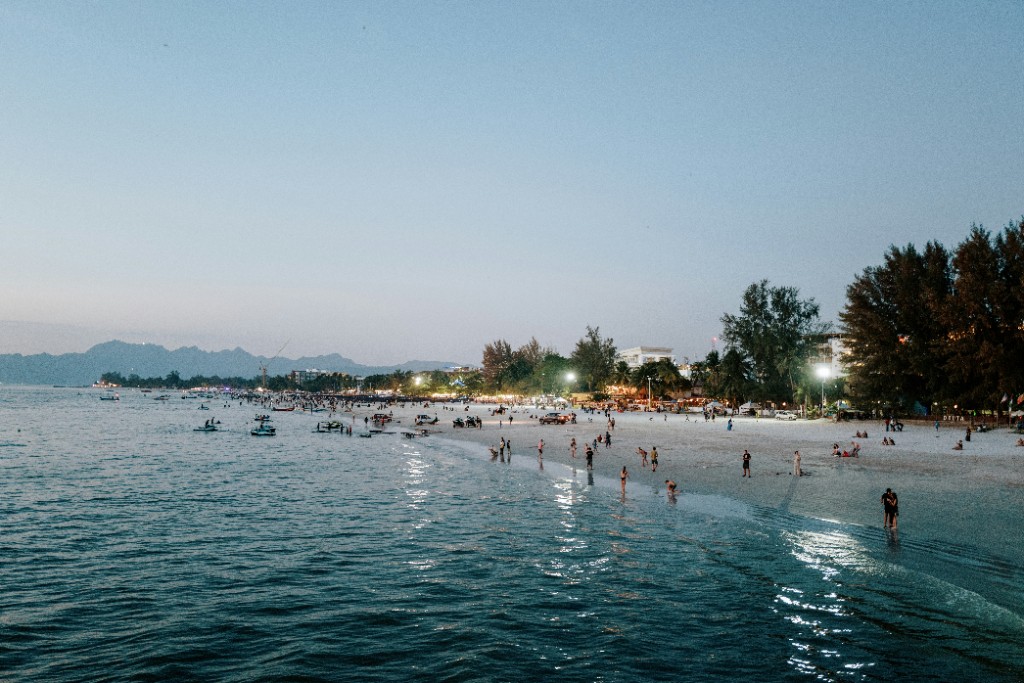
UNESCO Geopark. Duty-free island. Ninety-day visa on arrival for most nationalities. Mangroves, waterfalls, night markets, and paddy-field sunsets two minutes from the compound. And Thailand's Andaman coast, including Koh Lipe, is just a speedboat ride across the strait.
This is not Bali. Langkawi has no retreat circuit, no performance culture. The island shows up in your week naturally—mud on the trail, plastic chairs at the market, and a border crossing that opens up a second country for the weekend.
- UNESCO Geopark
- Duty-free island
- Visa-friendly entry
- Mangroves & waterfalls
- Night markets
- Koh Lipe by boat
Out there
Things to Do

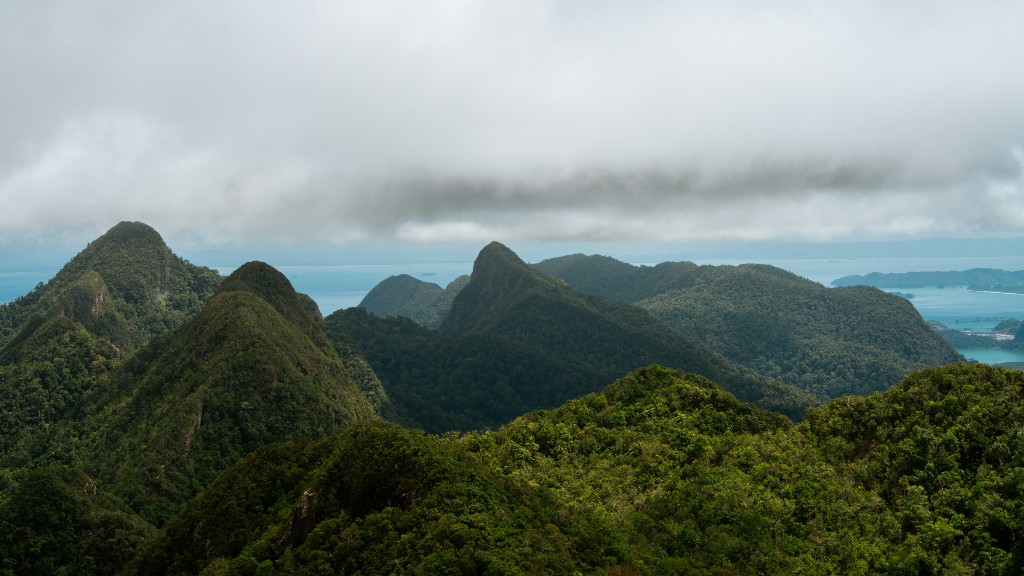
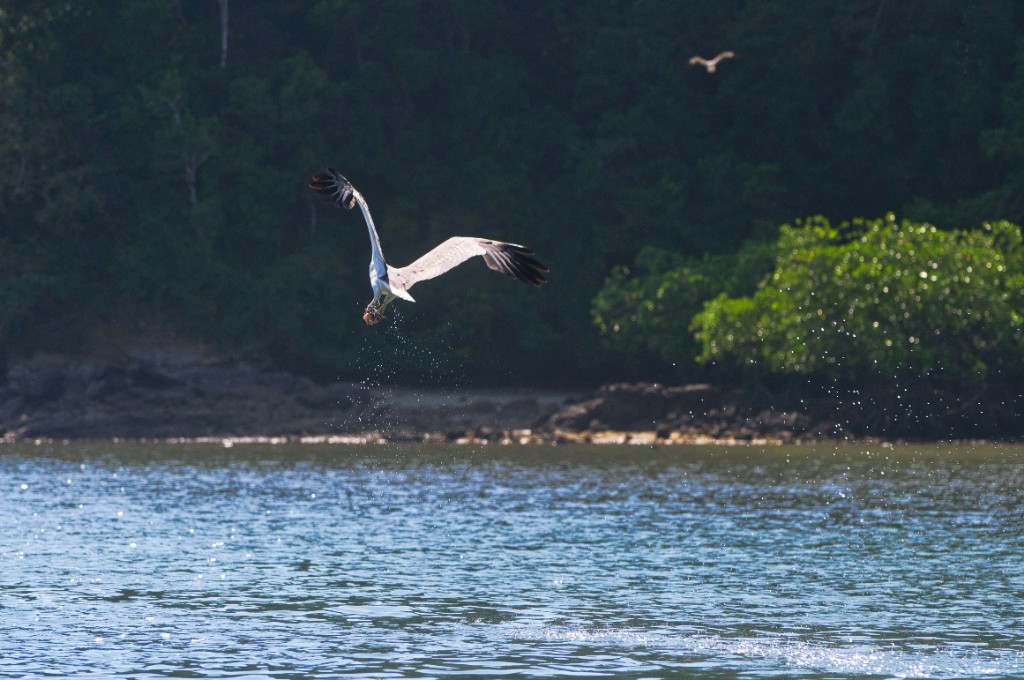
Kilim Geoforest Park
Mangrove boat tours, eagle feeding, bat caves. Southeast Asia's first geopark and a window into 550 million years of geological history.

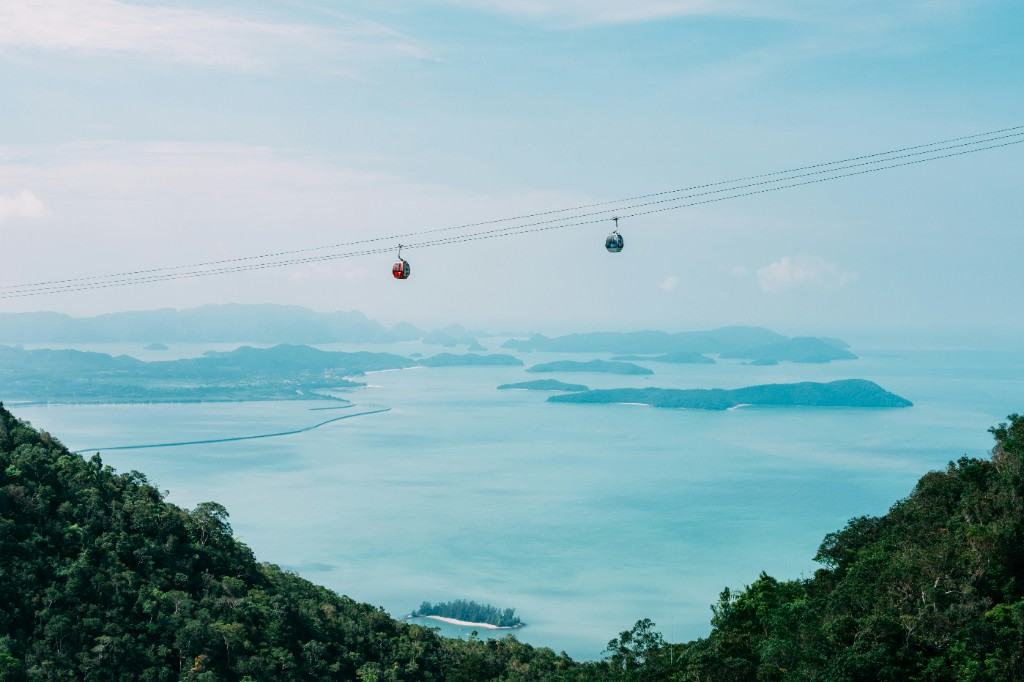
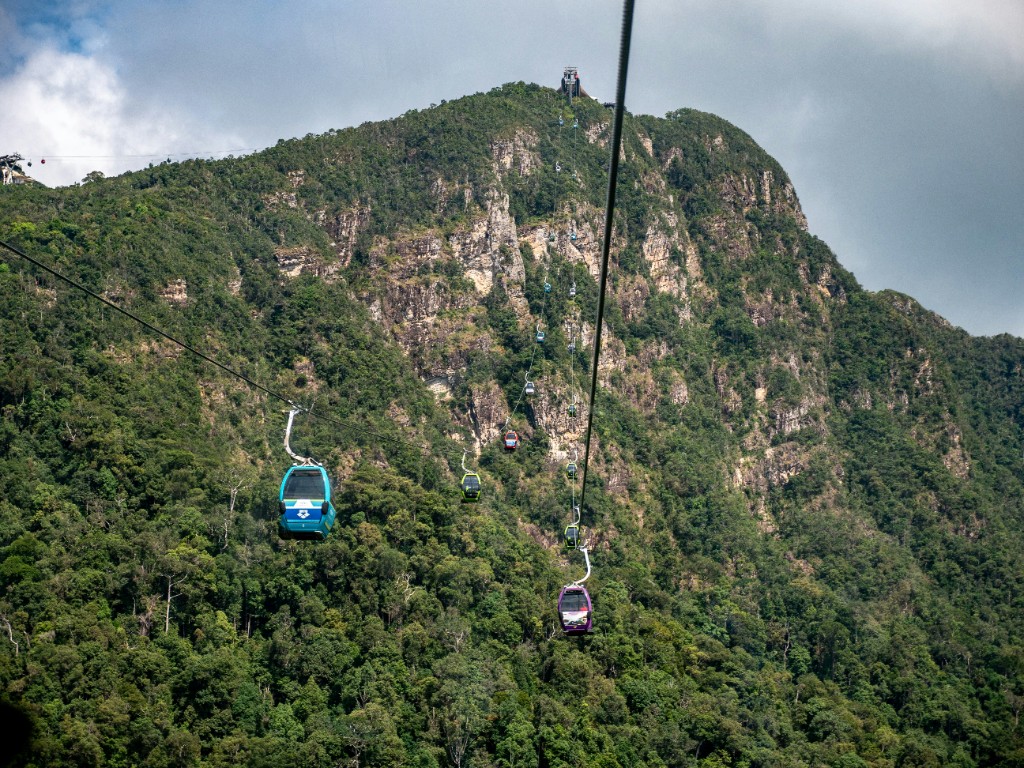
SkyCab & SkyBridge
One of the steepest cable cars in the world with panoramic archipelago views and the iconic curved SkyBridge suspended above the canopy.

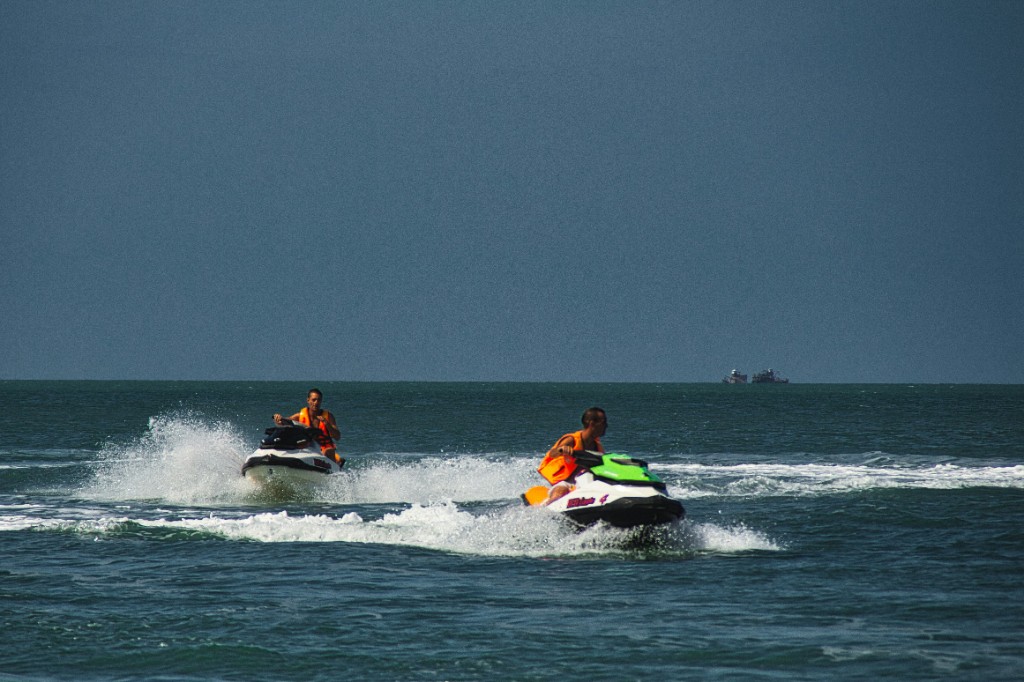
Island Hopping
Visit Dayang Bunting lake, snorkel at Beras Basah, and spot white-bellied sea eagles on Singa Besar. Three islands, one unforgettable day.

Waterfalls
Seven Wells (Telaga Tujuh), Durian Perangin, and Temurun, all within 20 minutes of Bambu. Cool off beneath the falls and in the shallows under the canopy.

Night Markets
Rotating nightly markets across the island. Street food, local crafts, and the pulse of Malaysian life, for almost nothing.
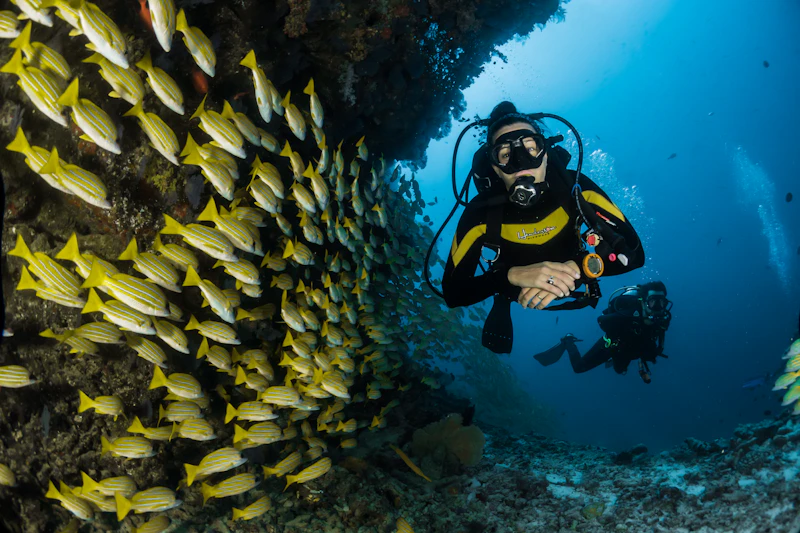
Diving & Snorkelling
Pulau Payar Marine Park for coral reefs, tropical fish, and crystal-clear water. A short boat ride from the main island.

“Langkawi is one of those rare places that still feels undiscovered, even after you've found it.”A guest at Bambu
Remote Work
Digital Nomads Welcome
Langkawi is one of Malaysia's designated DE Rantau hubs, part of the government's official programme to attract remote workers and digital professionals to the country. The island combines low living costs, reliable infrastructure, and a quality of life that makes the numbers work for long stays.
At Bambu, digital nomads get high-speed fibre WiFi throughout the compound, a dedicated co-work lounge with power at every seat, air-conditioned rooms for deep work, and a community of remote workers who understand the rhythm of building something while living somewhere extraordinary.
There is also a practical advantage that nomads appreciate: Langkawi sits on the Thai border. Koh Lipe is a quick speedboat away, which makes visa management straightforward and gives you a second country to explore on weekends without a flight.
See the Nomad ExperienceWhy nomads use Langkawi for Bali–Thailand visa hops
If you rotate between Indonesia (Bali) and Thailand, or you need regular exits without living in departure lounges, Langkawi is one of the strongest bases in the region. Malaysia gives many passports up to 90 days visa-free, a clear path to DE Rantau for longer legal stays, and a land-and-sea frontier with Thailand, not another island stuck behind long-haul connections.
From Bali, every hop to a third country is usually a flight (Singapore, KL, Bangkok). From Langkawi, Thailand is a speedboat to Koh Lipe in season, so you can refresh stamps, take a beach weekend, and come back to the same compound without the same airport fatigue. Many remote workers treat Langkawi as the hinge point in a Bali–Malaysia–Thailand triangle: quieter than Canggu, cheaper than both, and geographically honest about where the borders actually are.
Immigration rules change by nationality and season. Confirm eligibility, ferry schedules, and entry requirements with official sources before you move.
Travel
Getting Here
& There
By Air
Langkawi International Airport (LGK) has direct flights from Kuala Lumpur (1 hour), Singapore, Penang, and seasonal international routes. AirAsia and Malaysia Airlines operate multiple daily flights from KL.
Bambu is about 15 minutes from the airport by car. We do not operate our own shuttle, but you can message us before you land and we will try to help arrange a pickup with a trusted local driver when someone is available.
By Ferry
Regular ferries run from Kuala Perlis (1.5 hours), Kuala Kedah (2 hours), and Penang (2.75 hours). All ferries arrive at Kuah Jetty on the southeast coast.
Kuah Jetty is about 20 minutes from Bambu by car. Same idea as the airport: Grab or taxi works well, and we can try to help coordinate a driver if you ask ahead and timing lines up.
To Thailand
Koh Lipe, one of Thailand's most pristine islands, is roughly 90 minutes by speedboat from Langkawi. Seasonal ferries operate daily during high season (October–May), making a weekend on the Thai Andaman coast effortless.
Two countries, one trip. Base yourself at Bambu and explore both sides of the border.
Climate
When to Visit
Dry Season
November – March
Peak season with the calmest seas, clearest skies, and ideal beach weather. Average 27–34°C with low humidity.
Green Season
April – October
Greener, quieter, and more affordable. Occasional afternoon rain that clears quickly. The island never shuts down.
Bambu is open year-round. There is no bad time to come, only different versions of the same beautiful island.
What we’ve tested, what guests ask
Most major passports, US, UK, EU, Australia, New Zealand, Canada, Singapore, Japan, South Korea, and many more, get 90 days visa-free on arrival in Malaysia, including Langkawi. LGK is a small airport and immigration usually moves quickly. Other nationalities (China, India among them) require an eVisa or visa application before travel. The processes are well-documented online and we can point you to the official portal. If you’re staying longer than 90 days, the DE Rantau visa is the clean way to do it. Always check the official Malaysian immigration website for your specific passport before booking.
November through April is the dry season and the postcard window: blue skies, calm seas, swimmable beaches, and the photos every Langkawi article uses. May through October is monsoon-leaning. Afternoon storms, lower hotel rates, fewer tourists, and (here’s the catch) the lushest jungle of the year. Our take after running the compound year-round: visit November–April if you’re prioritising beach days and island-hopping, May–October if you’re prioritising training, work, and value. We have guests who only book monsoon months because the gym is the same, the WiFi is the same, and the rooms are cheaper.
Monsoon months are softer on the calendar than the name suggests. Showers often roll through in the afternoon, mornings are frequently clear, and the island keeps normal life going. Guests who come for training, remote work, or a slower pace still get full use of the compound, the gym, and the co-work lounge. If your trip is mainly about daily beach-hopping and boat tours, dry season is the easier window. If you want fewer crowds and gentler rates, monsoon can be a sweet spot. Pack a light rain layer, keep one flexible day in the plan, and treat boat trips as weather-dependent.
Bring both. Restaurants, supermarkets, and bigger shops in Pantai Cenang and Kuah take card or QR (DuitNow, GrabPay, sometimes Alipay) without issue. Roadside warungs, fruit stands, scooter-rental shops, and most local taxis are cash-only. So are the night markets we send guests to. ATMs are easy to find around Pantai Cenang and Kuah. Currency is Malaysian Ringgit (MYR); we’ve watched guests pull MYR 300–500 at a time and that covers a few days of street food and small purchases. Don’t lean on tourist-trap money changers at the airport; in-town rates are noticeably better.
Fly. Multiple flights a day from Kuala Lumpur and Singapore land at Langkawi International (LGK), and round-trips are often genuinely cheap. Bambu is about 15 minutes by car from the terminal; use Grab, a taxi, or ask us ahead of time if we can help arrange a local pickup when a driver is available. The ferry from Penang or Kuala Perlis is the picturesque, slower, occasionally bumpy alternative. Three hours give or take, weather-dependent in monsoon, and worth doing once if you like the romance of arriving by sea. From Thailand, ferries from Koh Lipe operate from October to May. Send your route and arrival time when you book so we can point you to the smoothest option.